How to prepare for a power outage: what you can do today in 30 minutes
A checklist to get your home ready before the next blackout, what to do when the power comes back and the mistakes that cause the most accidents.
To prepare for a power outage: keep a torch in a known place on each floor, a charged power bank, a battery radio, water for three days, food that needs no cooking and some cash. Learn how to switch the main breaker back on and how to open your garage door by hand. Never use generators, gas stoves or barbecues indoors: they produce carbon monoxide.
The blackout of 28 April 2025 caught almost everyone in Spain unprepared. The good news is that most of what makes a difference can be done in half an hour, without spending much or filling your home with stuff.
This guide covers before and after a power outage. What to do while it lasts is explained in what to do in a power outage: a guide to the first 72 hours.
What you can do today in 30 minutes
- Find your fuse box and learn how to switch the main breaker and the trip switches back on. That way you can tell whether the outage is only in your home.
- Keep a torch in a fixed place on each floor (the hallway, the kitchen, the bedside table) and check it has batteries. Make sure everyone at home knows where it is.
- Charge your power bank and keep it with your phone charger. If you do not have one, it is the first thing worth buying.
- Try the manual release on your garage door and on any motorised shutters or awnings.
- Take out some cash in small notes and keep it with a copy of your important documents.
- Write down important numbers on paper: family, doctor, your electricity company and 112, the emergency number in Spain and across Europe.
- Fill the gaps in your freezer with bottles of water. Frozen, they help everything stay cold for longer if the power goes, and afterwards they are drinking water.
If someone at home depends on an electrical device (oxygen, a sleep apnoea machine, an electric wheelchair), talk to their doctor or the supplier about a backup battery and a plan.
What to keep at home at all times
| For | What | How much |
|---|---|---|
| Light | Battery LED torch or lantern | One per floor |
| Information | Battery, hand-crank or solar radio | One |
| Power | 20,000 mAh power bank | One per 2 people |
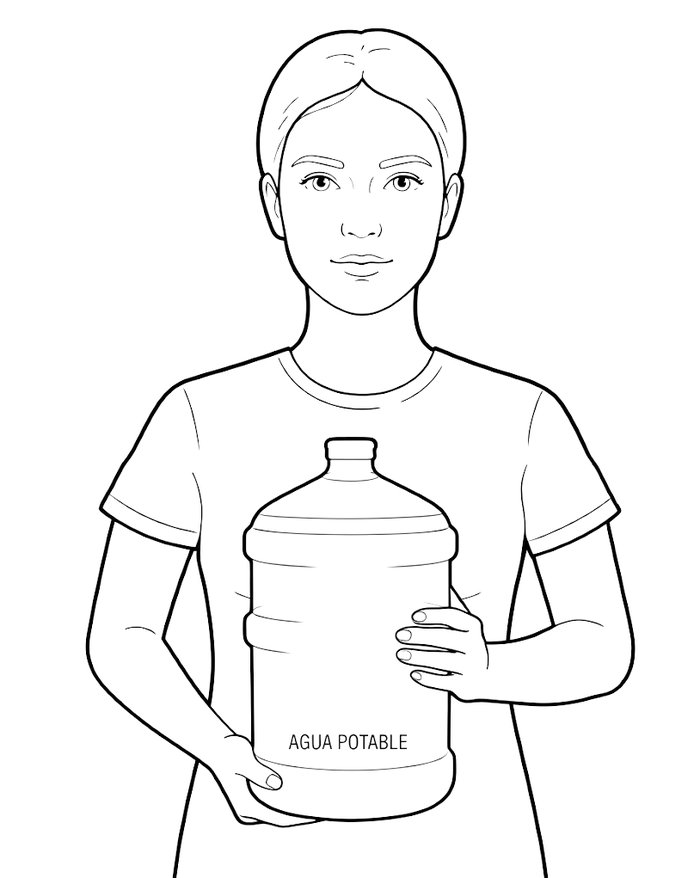
| Water | Bottled water or water pouches | 6 litres per person |
| Food | Food that needs no cooking | For 3 days |
| Money | Cash in small notes | €150–200 |
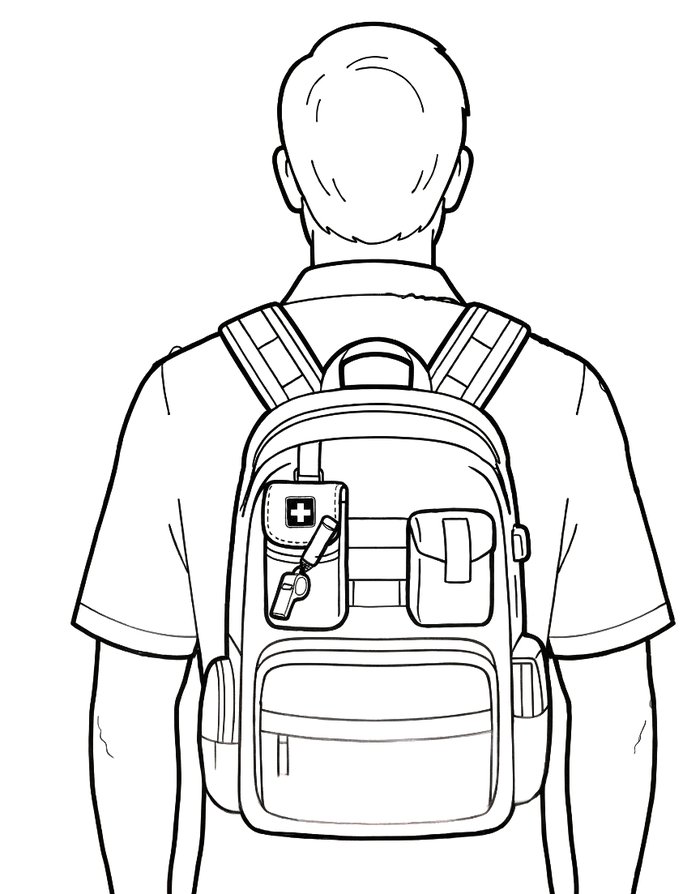
| Health | First aid kit and regular medication | For several days |
To work out water and food for your household, there is a table in how much water and food you need for 72 hours.
When the power comes back
- Wait a few minutes before plugging anything in: there can be power surges when the electricity returns.
- Plug appliances back in one at a time, starting with the fridge and freezer. If you connect everything at once, the trip switch may go again.
- Check your food. If anything has been above 4 °C for more than two hours (meat, fish, dairy, leftovers), throw it away. If in doubt, don’t risk it.
- Restart your router and reset clocks, ovens and alarms.
- Replace what you used: batteries, water, food and the power bank charge. It is the step people forget most, and the one that leaves you with nothing for the next outage.
The most dangerous mistakes
- Using candles. Every blackout causes house fires. A torch is cheap and burns nothing.
- Running a generator, a gas stove or a barbecue indoors, even on an enclosed balcony or in the garage. They produce carbon monoxide, which you cannot see or smell and which can kill in an enclosed space.
- Opening the fridge every so often. Every time you open it, it loses cold.
- Draining your phone battery on videos or social media. You may need it for an emergency.
- Calling 112 to ask when the power will be back. It overloads the line people need for real emergencies. Use the radio for information.
A kit in a box, then forget about it
The most practical option is to keep everything together in a box in a cupboard: light, radio, battery, water, food, cash and documents. That way you do not have to look for anything in the dark, and you only need to check it once a year.
Frequently asked questions
What is the first thing you need for a power outage?
Light that does not depend on mains power (a battery torch or lantern), a charged power bank for your phone and a battery or hand-crank radio to get information. Then water for three days and food that needs no cooking.
How long does fridge food last without power?
With the door closed, about 4 hours in the fridge and about 48 hours in a full freezer (24 if it is half empty). Filling the gaps in the freezer with frozen bottles of water helps it stay cold for longer.
What should I do when the power comes back?
Wait a few minutes before plugging appliances back in and do it one at a time, starting with the fridge and freezer. Check your food, restart the router and replace what you used from your kit: batteries, water and power bank charge.
Can I use a generator or a camping stove indoors?
No. Generators, gas stoves, barbecues and combustion heaters produce carbon monoxide, a gas you cannot see or smell that can be deadly in an enclosed space. Only use them outdoors and away from doors and windows.
How do I open the garage door without power?
Almost all motorised doors have a manual release, usually a cord or lever next to the motor. Find yours today and try it, so you do not have to learn in the dark.