What to do in a power outage: a guide to the first 72 hours
What to check in the first few minutes, how to keep your food and phone going, and what to have ready at home to get through three days without power in Spain.
On 28 April 2025 almost the whole Iberian Peninsula lost power for hours. That day many people found out they had no torch to hand, that their phone was running out, and that without electricity the lift, the supermarket card reader and, in some buildings, the water supply stopped working too.
A long blackout is rare, but it is the most likely emergency at home. The European Union recommends that every household can manage on its own for 72 hours with what it has at home. This guide explains what to do and what to have ready.
In the first few minutes
- Check whether it is just your home. Open the fuse box: if a switch has tripped, flip it back up. If the stairwell or the street are dark too, it is a grid outage.
- Use a torch, not candles. Candles cause house fires every year during blackouts. Use battery torches or lanterns.
- Unplug sensitive appliances (computer, TV, microwave). There can be power surges when the electricity comes back. Leave one lamp switched on so you know when it returns.
- Get information from the radio. Without power, mobile masts can go down within a few hours. A battery or hand-crank radio is the most reliable way to find out what is happening.
Call 112 (the European emergency number, also used in Spain) only for a real emergency, such as someone trapped in a lift or a person who depends on an electrical medical device. Lines get overloaded during a widespread blackout.
Food: open the fridge as little as possible
With the door closed, a fridge keeps food cold for about 4 hours. A full freezer lasts about 48 hours (about 24 if it is half empty). Every time you open it, you lose cold.
- Eat what is in the fridge first, then the freezer, and leave food that does not need refrigeration until last.
- If anything has been above 4 °C for more than two hours (meat, fish, dairy, leftovers), throw it away.
- Keep food at home that does not need cooking: ring-pull tins, bars or emergency rations. Without power, induction hobs and microwaves do not work.
Water
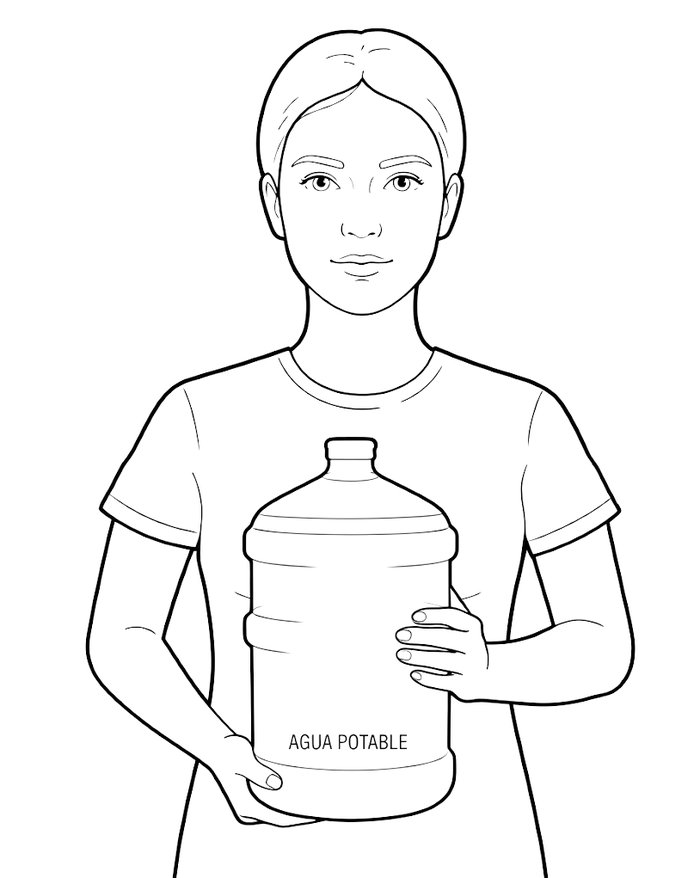
In many buildings water is pumped up electrically: if you live on a high floor, the taps may stop running. Plan for at least 2 litres per person per day just for drinking, plus what you need for cooking and washing.
If a water cut is announced or the blackout drags on, fill bottles, pans and the bath while there is still pressure.
Your phone: your battery is your connection
- Turn on battery saver mode and lower the brightness.
- Use text messages rather than calls: they use less battery and get through even when the network is congested.
- A 20,000 mAh power bank gives two or three full charges of a typical phone. Keep it charged.
- Tell your family you are fine and agree how often you will check in, so you do not waste battery on calls.
What to have ready at home
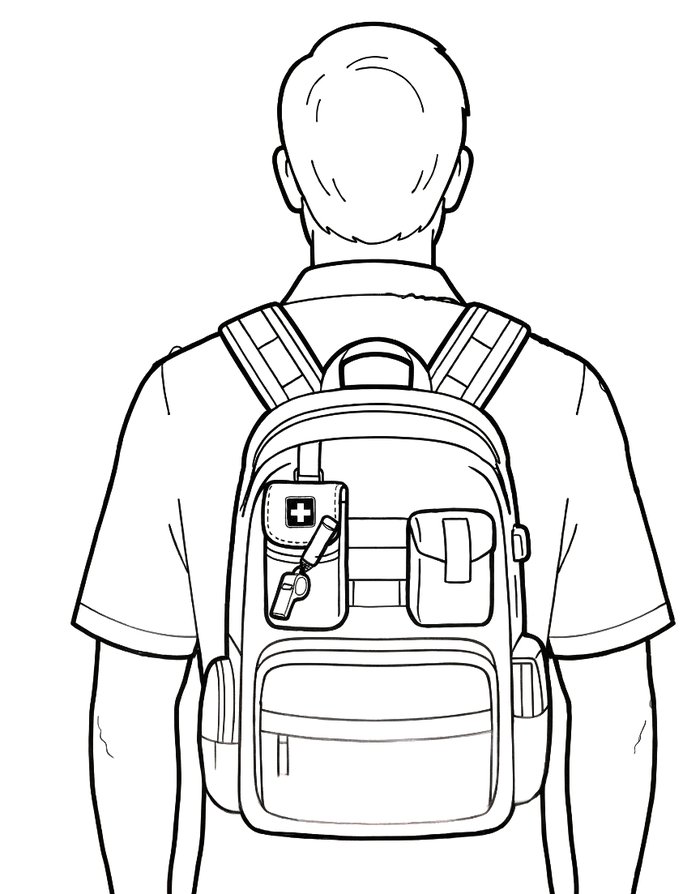
Ideally keep everything together in one box, in a cupboard the whole family knows:
| For | What |
|---|---|
| Light | Torches and a table lantern, with spare batteries |
| Information | Battery, hand-crank or solar radio |
| Food and water | Water for 3 days and food that needs no cooking |
| Power | A charged power bank; for more autonomy, a portable power station |
| Health | First aid kit and several days of regular medication |
| Money | Cash in small notes: without power, card readers and cash machines do not work |
| Documents | Copies of ID, insurance and prescriptions in a waterproof pouch |
Check the box once a year: batteries, torch and that the cash is still there. Emergency water and food usually last 5 years.
If someone at home is vulnerable
If someone depends on an electrical device (oxygen, a sleep apnoea machine, an electric wheelchair), talk to their doctor or the supplier about a backup battery, and have a plan before you need it. If you have older neighbours who live alone, check whether they need anything.
To get your home ready before the next outage, and know what to do when the power comes back, read how to prepare for a power outage in 30 minutes.