72-hour emergency kit: what the EU recommends and a full checklist
What the 72-hour kit recommended by the European Union is, what it should contain, where to keep it and how often to check it. A full, no-panic checklist.
A 72-hour emergency kit is what your household needs to manage for three days without outside help: water (at least 2 litres per person per day), food that needs no cooking, a torch, a battery radio, a phone power bank, a first aid kit and medication, cash and copies of documents. Since 2025 the European Commission has recommended that every household has one ready.
Since the European Commission recommended in 2025 that every household should be able to manage on its own for 72 hours, many people have been wondering what exactly they need. The answer is simpler than it seems. You do not need a bunker or strange gadgets: just gather in one place what you would need if you were left without power, tap water or the ability to leave home for three days.
What the 72-hour kit is and why it is recommended
It is a supply that lets your family be self-sufficient for three days in an emergency: a long blackout, a storm, a flood or a supply disruption. In a large emergency, the emergency services have to prioritise people in danger. If other households can look after themselves, help reaches those who need it most sooner.
In March 2025 the European Commission presented its Preparedness Union Strategy, which encourages people to keep essential supplies for at least 72 hours. It is a self-protection recommendation, not an obligation.
Full 72-hour emergency kit checklist
Water and food
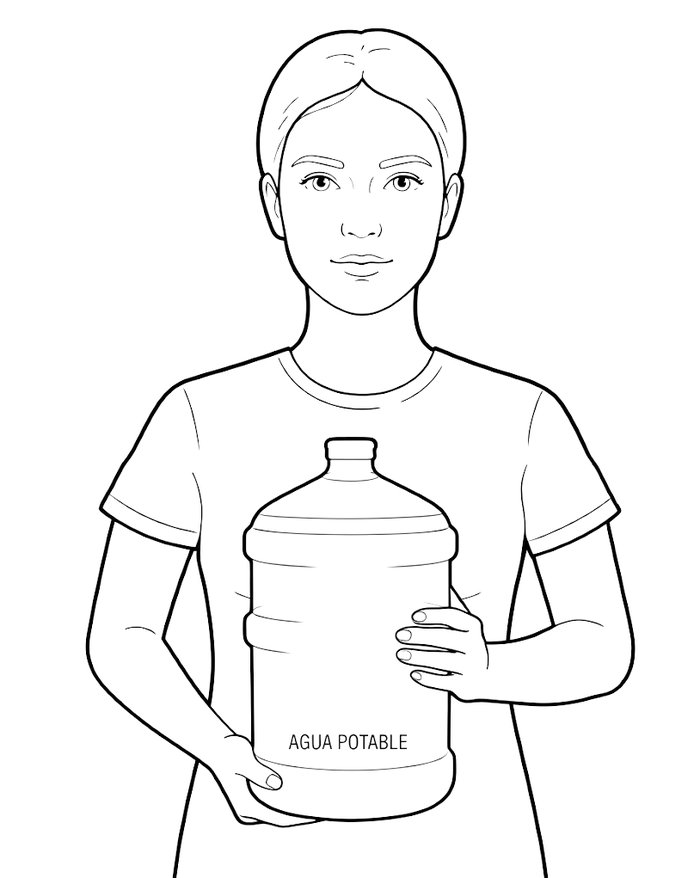
- Water: at least 2 litres per person per day just for drinking, that is 6 litres per person for three days. If you can, keep a bit more for cooking and washing. We work it out in detail in how much water and food you need for 72 hours.
- Food that needs no cooking or refrigeration: ring-pull tins, jars of cooked pulses, nuts, biscuits, bars or emergency rations.
Light and information
- A torch and, ideally, a lantern that lights the whole room. Avoid candles: they cause fires.
- Spare batteries in the sizes your devices use.
- A battery, hand-crank or solar radio. If the power and internet go down, it is the most reliable way to receive official instructions.
Power and communication
- A charged power bank for your phone (20,000 mAh gives two or three charges).
- Charging cables.
- A list of important phone numbers on paper, in case your phone runs out of battery.
Health and hygiene
- First aid kit.
- Regular medication for several days and copies of prescriptions.
- Thermal blankets, light and very warm.
- Basic hygiene: wet wipes, hand sanitiser, bin bags and toilet paper.
Money and documents
- Cash in small notes. Without power, card readers and cash machines do not work.
- Copies of your ID, health card, insurance and property deeds in a waterproof pouch.
If your household includes…
- Babies: ready-to-feed formula, nappies and wipes.
- Pets: food and water for three days, and a lead or carrier.
- Older or dependent people: their medication, spare glasses or hearing aids and, if they use electrical devices, a backup battery plan.
Home kit, car kit and go bag: not the same thing
| Kit | What it is for | Where to keep it |
|---|---|---|
| Home kit | Staying at home for three days without power, water or supplies | A box in a cupboard |
| Car kit | A night stuck on the road because of snow, rain or a traffic jam | A bag in the car boot |
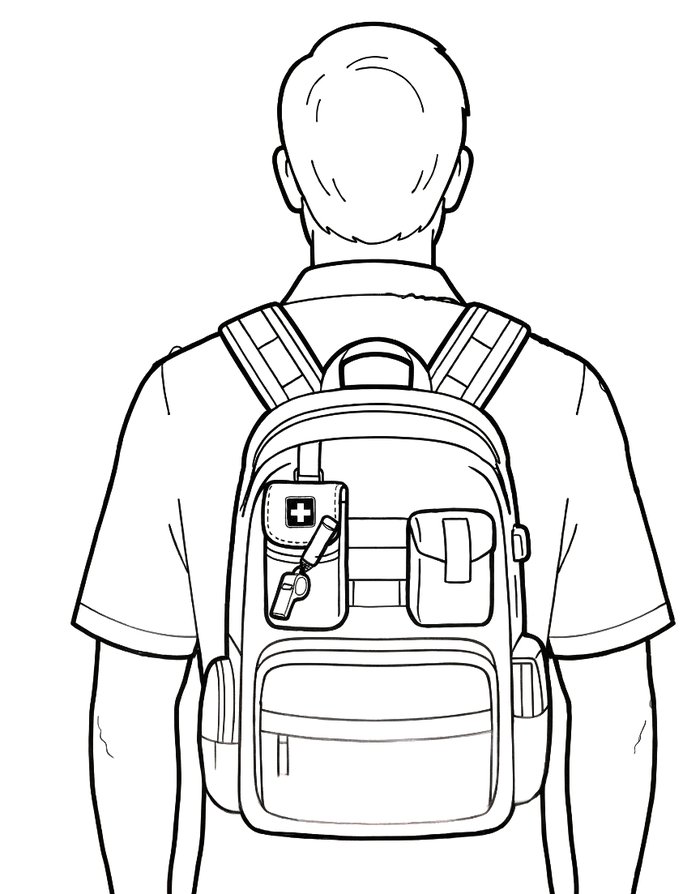
| Go bag | Leaving home within minutes if the authorities ask you to | One backpack per person, by the door |
For most families the most useful is the home kit, because a blackout is the most likely emergency. We explain it in what to do in a power outage. If you drive in winter or live in an at-risk area, add the car kit and the go bag.
What you don’t need
- Buying everything at once. Start with water, light, a radio and a battery; add the rest little by little.
- Expensive “survival” products. Most things in the kit are ordinary: torch, batteries, tinned food.
- Stockpiling food for months. The goal is three days, not a year.
How to keep it up to date
- Once a year, check the batteries, torch, power bank and that the cash is still there.
- Check the dates on medication, food and water. Emergency water and rations usually last 5 years.
- Adjust the kit when your household changes: a baby, a pet or an older relative moving in.
If you subscribe to our reminders, we email you when it is time to check your kit and what is about to expire.
Frequently asked questions
What is a 72-hour emergency kit?
It is a set of water, food, light, information, health supplies and documents that lets a household manage on its own for three days during a blackout, a storm or another emergency, without relying on shops, electricity or the emergency services.
Why 72 hours?
Because in a large emergency the emergency services cannot reach everyone at once, and basic supplies can take time to return. Three days is considered a reasonable margin for a family to look after itself in the meantime.
What exactly does the European Union recommend?
In March 2025 the European Commission presented its Preparedness Union Strategy, which encourages people to keep essential supplies for at least 72 hours. It is not a legal obligation but a self-protection recommendation.
Where should I keep the emergency kit?
All together in a box or backpack, in a cool, dry place the whole family knows, such as a cupboard by the front door. If you have a car, it is also worth keeping a small kit in the boot.
How often should I check the kit?
Once a year: check the batteries, the torch, the power bank and that the cash is still there. Medication and food are checked according to their expiry dates; emergency water and rations usually last 5 years.