How much water and food you need for 72 hours (table by household size)
Litres of water and food per person for a three-day emergency, with a table for households of 1 to 6 people, which foods to choose and how to store them.
For 72 hours, plan at least 2 litres of water per person per day just for drinking (6 litres per person) and, better, 3 litres if you include cooking and washing (9 litres per person). For food, store three days of food that needs no fridge and no cooking: ring-pull tins, cooked pulses, nuts, biscuits or emergency rations.
It is almost everyone’s first question when putting together an emergency kit: how much water and how much food do I need? Here are the quantities for three days, a table to work it out for your household, and which foods to choose so you do not need to cook or use the fridge.
Water: how many litres per person
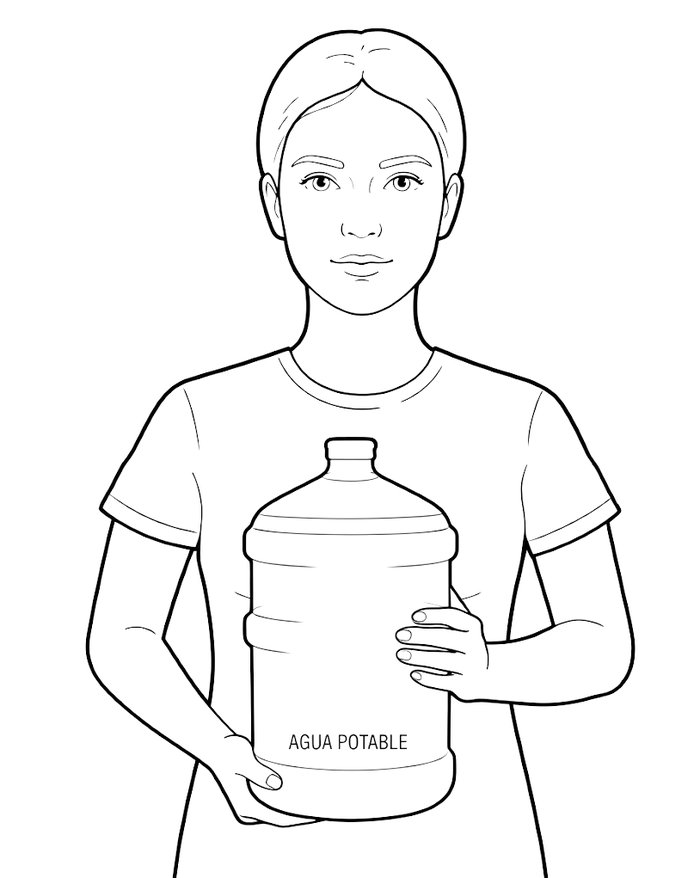
The most widely used guideline is 2 litres per person per day just for drinking. For three days that is 6 litres per person.
If you also want water for cooking, washing your hands and basic hygiene, plan 3 litres per person per day, that is 9 litres per person for three days.
You will need more water if:
- it is hot or summertime;
- there are pregnant or breastfeeding women at home;
- there are older people, sick people or small children;
- you will be doing physical effort (for example, climbing stairs when the lift is not working).
Water table for 72 hours
| People at home | Drinking only (2 L/day) | Drinking, cooking and hygiene (3 L/day) |
|---|---|---|
| 1 | 6 litres | 9 litres |
| 2 | 12 litres | 18 litres |
| 3 | 18 litres | 27 litres |
| 4 | 24 litres | 36 litres |
| 5 | 30 litres | 45 litres |
| 6 | 36 litres | 54 litres |
Tip: if a water cut is announced or a blackout drags on, fill the bath and several pans while there is still pressure. That water is fine for flushing the toilet and cleaning, so you can save the bottled water for drinking.
What water to store
- Bottled water: the easiest option. Check the best-before date and use the oldest bottles before they expire.
- Emergency water in pouches or cans: lasts about 5 years, takes up little space and does not need frequent replacing.
- Tap water in clean, food-grade bottles or containers: replace it every six months.
Store it somewhere cool, dark and away from chemicals.
Food: what to store for three days
In an emergency at home, the most likely scenario is that you have no power: no fridge, no hob, no microwave. So the food in your kit has to meet three conditions:
- It needs no refrigeration.
- It can be eaten without cooking.
- It opens without electrical tools (ideally ring-pull; otherwise keep a manual tin opener).
Foods that work
| Type | Examples |
|---|---|
| Protein | Tinned tuna, sardines, mackerel or chicken; jars of cooked pulses |
| Carbohydrates | Biscuits, crispbread, breadsticks, cereal, long-life sliced bread |
| Quick energy | Nuts, peanut butter, chocolate, dried fruit |
| Fruit and veg | Fruit in syrup, tinned vegetables, cartons of juice or gazpacho |
| Dairy | UHT milk, milkshakes in cartons |
| All-rounder | Emergency rations or bars, which last 5 years and weigh little |
How much food?
As a guide, an adult needs about 2,000 kcal a day. You do not need to count them exactly: think of three meals a day for three days for each person, plus some snacks.
Emergency rations are a good base because they pack a lot of calories into little space and last for years without checking. Combine them with some ordinary food you like: in a stressful situation, eating something familiar helps.
If you have babies or pets
- Babies: store ready-to-feed formula (it needs no water or heating) and extra bottled water. Ask your paediatrician.
- Dogs: as a guide, about 50 ml of water per kilo of body weight per day. A 20 kg dog needs around 1 litre a day. Add three days of their food.
- Cats: their usual food and water for three days.
How not to forget the dates
What fails most in emergency kits is not buying them, but expiry dates: water and food are stored and nobody looks at them again. Two ideas:
- Rotate your pantry: use the oldest tins and bottles day to day and replace them with new ones.
- Sign up for reminders: if you subscribe on our website, we email you when it is time to check your kit and restock water and food.
To see what else your kit should contain, read the full 72-hour emergency kit checklist and our guide on what to do in a power outage.
Frequently asked questions
How many litres of water does one person need for 3 days?
At least 6 litres just for drinking (2 litres a day). If you also want to cover cooking and basic hygiene, plan about 9 litres per person (3 litres a day). In hot weather, during pregnancy or breastfeeding, or with physical activity, you need more.
Can I store tap water for emergencies?
Yes, in clean, food-grade bottles or containers that close tightly, in a cool, dark place. It is best to replace it every six months. Shop-bought bottled water keeps longer, and emergency water in pouches or cans usually lasts 5 years.
What food needs no fridge and no cooking?
Tinned fish, meat or vegetables with ring-pull lids, jars of cooked pulses, nuts, dried fruit, biscuits, crispbread, peanut butter, cereal, UHT milk and emergency bars or rations.
How many calories do I need a day in an emergency?
As a guide, an adult needs about 2,000 kcal a day. For three days at home you do not need to hit that exactly: what matters is having enough food that is easy to eat and that your family likes. Emergency rations are designed to cover a survival minimum with little weight.
How much water does a dog need?
As a guide, about 50 millilitres per kilo of body weight per day. A 20 kg dog needs around 1 litre a day, so 3 litres for three days. More in hot weather.